Protein
As far as the macronutrients go, protein is easily the star of the show in today’s culture. Celebrated for its ability to increase metabolism, build muscle, support weight loss, and sculpt a toned body. But how much of this fame is deserved and how can you decide what amount of protein intake is correct for you?
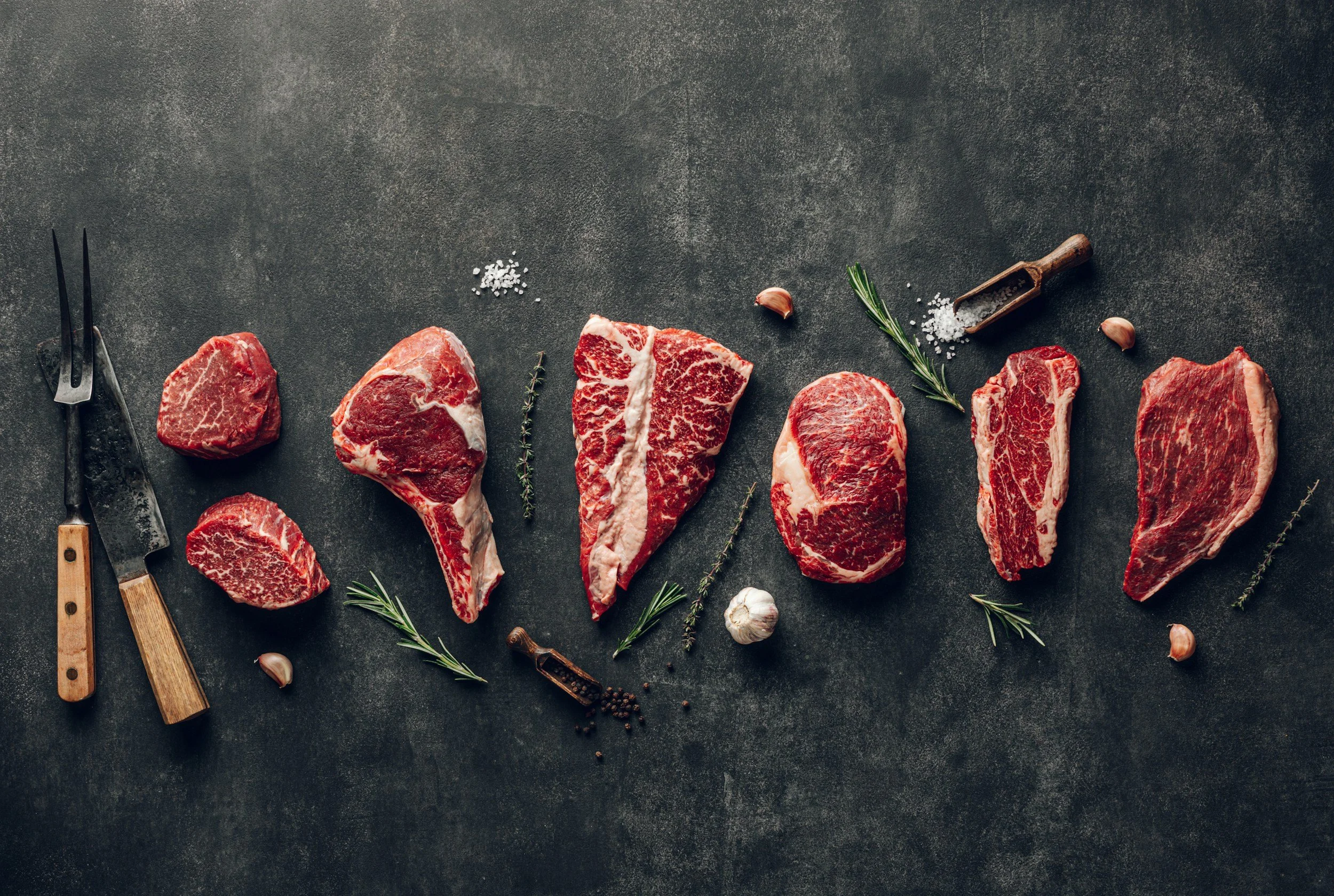
The Role of Protein
The research on protein function and importance is very well established. Protein works at a structural level to repair & build our tissues, including muscles but skin, bone, and organs as well. Protein is also crucial for hormone and enzyme production. This means the protein supports every single bodily system from both a structural and functional standpoint (from building out muscles, to digestion and metabolism, and even brain synapses responsible for our movements, thoughts, & memory formation). So, yes, it is mandatory that we consume enough of it to maintain health.
Protein Intake Goal
So, how much protein should you consume? Here is where the protein conservation becomes a bit more nuanced and the answer is, as with most in the nutrition world, it depends.
The recommended daily allowance (RDA) for protein is a measly 0.8 grams per kilogram of body weight (that is 55 grams for an adult weighing 150 pounds). This recommendation might suffice to keep an inactive, young adult alive and free from illness, but certainly is not enough for optimum performance, muscle development, weight loss, or even aging. As we age we begin to experience a natural decrease in muscle mass and strength and we should be aiming at more like 1.2 - 1.6 grams per kilogram of body weight to counteract those biological changes. For those of use who are more active, even more protein may be needed for repairing and rebuilding the tissues damaged during exercise, 1.4 - 2 grams per kilogram of body weight is best in this circumstance. And for people hoping to lose weight and maintain muscle mass a whopping 2.3 or more grams per kilogram might be ideal. What about those of us who fit into more than one of those categories, for example, what if you are very active, hoping to lose weight, and are older than 65? You see how these recommendations can begin to get confusing and overwhelming.
To support those of you who are still unsure of where you fit in these protein recommendations and what your protein intake should be I have developed my protein goals charts. The charts are divided into age ranges, resistance training activity level, and weight. The recommendations in this chart lean on the higher end of the protein intake research recommendations, not on the lower end. These recommendations are not medical advice and are not intended to be an ‘end-all-be-all’ protein goal but, instead, they are meant to help you in identifying a range that might work best for you, given these specific parameters. It should be noted that there is not a column in these charts for the sedentary individual as that is not a level of activity that I am willing to recommend as it is counterproductive to a healthy lifestyle. These recommendations were developed for people who are happy with their current weight and are not intended for those seeking weight loss support. Lastly, for people experiencing either acute or chronic illness/disease or for pregnant individuals the recommendations will shift and these charts are not appropriate.
Of course, I’d be remiss in concluding the protein conversation there, a few notes on excess protein follow. An over emphasis on protein (especially meat based protein) can be problematic if you’re neglecting other important macronutrients (healthy fats and carbohydrates) and food groups (fiber-rich fruits, vegetables, and grains). Decreased consumption of those healthy food types for the sake of more protein can lead to increased inflammation, nutrient deficiencies, and severely lacking fiber intake. Protein intake should always be alongside other important food items.
Protein Sources
Just as important as the amount of protein we eat is the source of said protein. Sure, eating a plate full of bacon or a fast food cheese burger might hit your protein goal in-it-of-itself but is obviously not the best choice in doing so as that selection would be riddled with unhealthy fats and sodium. When choosing our protein foods there are a couple of very important considerations. First, choosing protein from a variety of unprocessed, wholefood sources is best. Selecting varied animal proteins (lean beef, poultry, fish, eggs, & unsweetened dairy) provides more bang for your buck (more protein in a smaller amount of food) but also ensures that you’re including important nutrients like vitamin B12, heme iron, essential fatty acids, & probiotics (depending on the specific source). Plant based proteins (legumes, lentils, soy protein, nuts/seeds, & whole grains) are an extremely important complement to that as they are low in unhealthy fats and rich in many vitamins, minerals, antioxidants, fiber, and prebiotics. I would suggest erring on the side of more variation in the daily intake rather than more protein. Secondly, and not completely unrelated to the discussion on variability, is that we need to eat all of the essential amino acids in the protein foods we’re selecting. Basically, amino acids are the small chemical compounds that together form a protein. There are several amino acids that our body can create without dietary intake but there are nine that are considered essential amino acids (EAAs)- meaning we have to include them in our diet. These EAAs are the components of protein that are required for muscle protein synthesis, or to make gains. The good news is that, if we are consuming that recommended variation in protein sources we already are including all nine- no need for the hugely detail oriented stress of tracking your specific EAA intake. Notably, for the purposes of this blog post I am writing from the perspective of the diet I would generally suggest, which includes animal proteins. Vegetarians can also easily achieve adequate consumption of the EAAs.. While animal proteins contain all 9 EEAs in one item, vegetarian proteins are usually absent from or limited in one or more of those EEAs. All this means for our vegetarian friends is that they need to be a bit more intentional in pairing their plant based protein sources so that one protein source compliments the lacking EAA in the other source- (beans or lentils or peas paired with whole grains or nuts or seeds, for example). Ultimately, the recommendation in eating a variety of protein sources is true for both omnivores or vegetarians.
Protein Intake Timing & Distribution
Aside from protein amount and source, a remaining consideration is timing of intake. Generally speaking, nutrients are better absorbed and used when spaced in increments (meals & snacks) throughout the day versus eaten in one or two large portions, this is true of protein as well. Your total protein goal should ideally be evenly distributed, every 3-4 hours throughout the day. Selecting 3 high protein meals with 2-3 protein rich snacks (and, if applicable, a pre/post workout protein) is your recipe for protein intake success.
Protein Intake with Exercise
For years I have heard the recommendation that you have to eat your protein within 30 minutes post exercise (especially resistance training) in order to promote muscle growth. In fact, there is a synergistic effect of protein intake and exercise that occurs whether protein consumption occurs before or after the training. This means that the optimal time to ingest protein in relation to activity, you guessed it, depends. The good news is, it depends on what you prefer, what you tolerate best. If you are a person who has a hard time eating immediately following training, eat before. If you feel the need for fuel after your exercise, eat after. Listen to your body. The anabolic, muscle (or tissue) building effect of an exercise bout is long lasting- about 24 hours. That means eating protein will stimulate muscle growth for up to 24 hours after an exercise bout! That said, those anabolic effects do diminish with increasing time post exercise so the closer you can eat your protein (either before or after) in relation to your exercise, the better. Shoot for 20-40 grams of protein for each exercise session to grow muscle. Don’t forget, these anabolic effects work on other tissues as well, so even if your goal is not about getting buff and are more concerned with maintaining health as you age, pairing protein with activity is important for you too (think bone density).
Protein Supplementation
Choosing varied, whole food protein sources is your plan A and is non-negotiable in approaching protein intake goals and general health simultaneously. That said, supplementation is a practical way of ensuring adequate protein quality and quantity while minimizing caloric intake. As always, supplements are meant to supplement an already healthy diet, not to excuse healthy food avoidance elsewhere or to make up a majority of the diet. Choose protein supplements that you enjoy and that work in tandem with your goal for them. Options include protein powders (whey, casein, pea, egg etc) or essential amino acid supplements.
Protein Summary
Knowing your specific protein intake goals is clearly important in reaching them, find your protein goal here. Spacing your protein intake evenly throughout your day and around your exercise training is also important in maintaining health and supporting goals. Most importantly when it comes to protein intake is to focus on the big picture and to select a variety of protein rich foods within a healthy eating pattern that includes all of our food groups and macronutrients.
Reach out if you need macronutrient support for healthy eating or exercise training you can schedule a full nutrition consult by reaching out here.